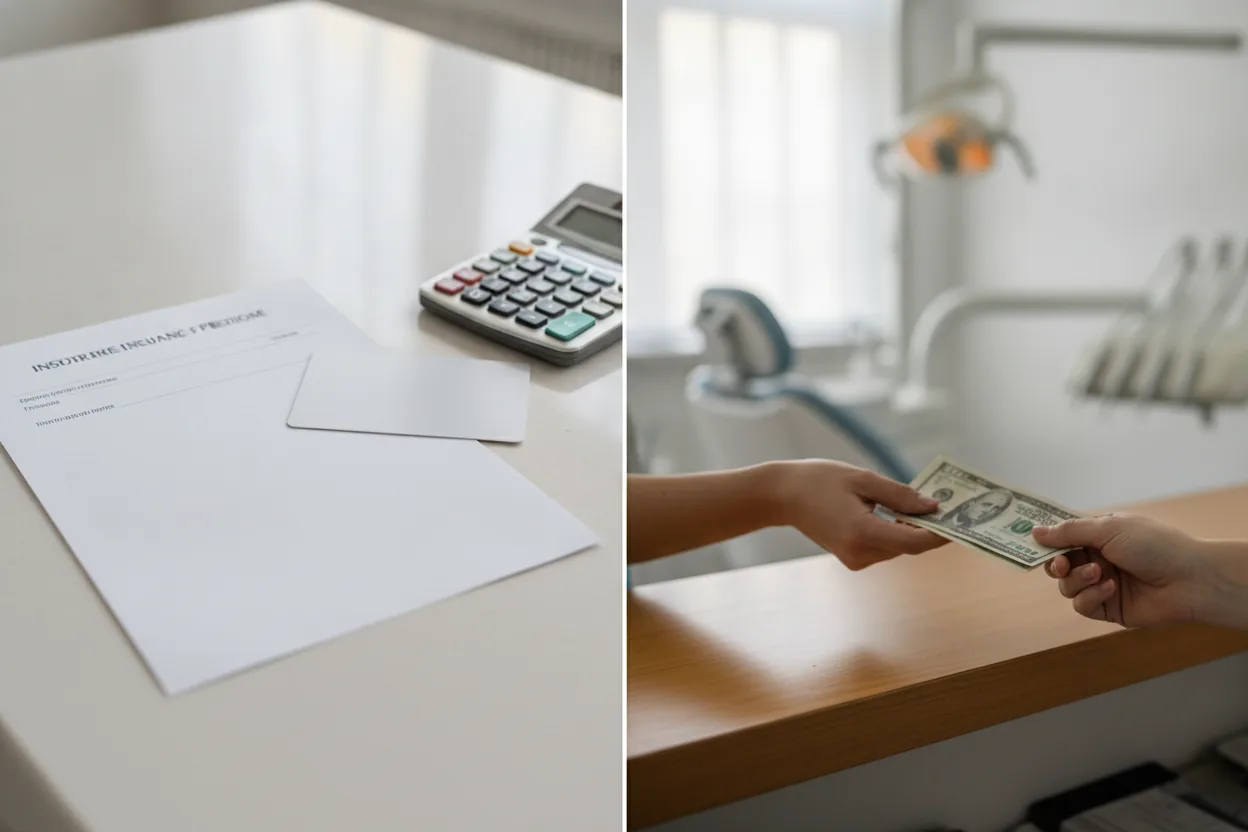
Standalone dental insurance operates outside medical insurance rules, and that shapes its pricing
Standalone dental plan premiums vary by provider and region, and they tend to add up to a real annual cost. Meanwhile a basic cleaning without insurance can often be paid for out of pocket at plenty of offices. So for anyone who skips the root canals and crowns, the math on that premium can actually come out upside down. Which raises the obvious question: when does paying a monthly premium actually save money, and when are you better off just paying the dentist directly?
You can get this coverage three main ways. The first is through an employer, and healthinsurance.org notes this is usually the cheapest route since the employer kicks in part of the premium. The second is through a state health insurance marketplace, though most states only let you buy a standalone dental plan if you're also enrolling in a marketplace medical plan. The third is buying directly from a dental insurance company online, no medical plan attached.
Dental insurance also pays out differently than medical insurance does. Instead of one deductible and an out-of-pocket maximum, dental plans stack copays, deductibles, and coinsurance together, and the coverage percentage shrinks as procedures get more complicated. Preventive care like cleanings usually gets covered at a high percentage, basic procedures like fillings get a somewhat lower rate, and major work like crowns or root canals gets covered at a reduced rate, leaving a much bigger share for the patient. That sliding scale is really what the financial decision hinges on: whether the premium is worth it compared to paying the dentist directly, and that depends almost entirely on what kind of care a person actually needs.
The cost comparison shifts sharply once a routine cleaning turns into a root canal
And that's where the numbers start to split apart. Self-pay pricing for routine care is modest enough that insurance often loses the comparison outright. A basic cleaning and X-rays can vary a lot by office and region, with X-rays sometimes costing noticeably more than the cleaning itself. Run that against a typical monthly premium, which adds up over a year, and someone who only needs one or two cleanings annually can easily spend less paying cash than paying for a plan that covers those same cleanings at 100%.
The math flips once specialty work shows up. SmartAsset points out that procedures like braces, a retainer, or a root canal can still run into the thousands even with insurance, because dental plans aren't bound by the same rules as medical insurance and often cap annual benefits well below what major work actually costs. Even so, insurance usually still beats paying the full bill solo. If a plan covers half the cost of a treatment, the insurer pays its share and you cover the rest, and that's real money saved over paying the whole thing yourself. The savings math looks different again once dental savings plans enter the picture.
Dental savings plans are a different product entirely. Instead of insurance, you pay a membership fee for discounted rates at partner dentists. SmartAsset lays out the tradeoff clearly: savings plans cost less upfront than insurance premiums, but you pay more out of pocket at the time of treatment, and fewer dentists accept these discounts compared to the number who take standard dental insurance. So choosing between insurance and a savings plan really comes down to this: a higher fixed monthly cost with lower treatment bills, or a lower fixed cost with higher bills at the chair. That choice narrows to a few concrete factors worth checking against any household budget.
Three things should drive the self-pay-versus-insurance decision for any household:
- Frequency of visits: if you only go in for an annual cleaning and the occasional X-ray, you're a strong candidate for skipping insurance and paying cash, depending on what visits run locally.
- Risk of major work. Anyone expecting a root canal, crown, or orthodontics should weigh the high cost of those procedures against even a capped insurance benefit, since partial coverage on a big bill still cuts the total significantly.
- Access to employer coverage: healthinsurance.org specifically calls out employer-sponsored dental plans as the most economical option when available, since the employer usually covers part of the premium, pulling the effective monthly cost below what individual market plans tend to charge.
Underneath all three of those factors sits one bigger variable: how healthy a person's teeth are likely to stay. Preventive habits matter here too. Yahoo Finance frames routine care and good dental habits as one of the most reliable ways to control lifetime dental spending, no matter which payment method you choose. Fewer cavities and less gum disease simply mean fewer bills to split between an insurer and your wallet in the first place. A household weighing its monthly premium against the odds of a future root canal is really betting on its own dental health trajectory, and that bet belongs in the decision right alongside the sticker price of a cleaning.
That bet is the real answer to the question this post started with. Standalone dental insurance makes the most sense for people likely to need more than routine cleanings, especially those with a family history of dental problems, existing issues like cavities or gum disease, or orthodontic needs on the horizon. A healthy adult with no dental history and reliable access to affordable cleanings will often spend more on the annual premium than they would paying cash, especially if that money instead sat in a health savings account or similar tax-advantaged account earning interest while waiting to be spent on actual care. The premium itself isn't a bad product. It's just priced for people who expect to use it, and the real decision comes down to an honest guess about which group your household actually falls into.